

Teacher’s Guide to Adopting the Planned Humor Incorporation System for Teaching and Learning Enhancement (PHISTLE)
Authors:
Alex Chun Koon1 and Rita Gill Singh2
Author affiliations:
1School of Life Sciences, Faculty of Science, The Chinese University of Hong Kong, Hong Kong SAR, China.
2Language Centre, Hong Kong Baptist University, OEM 902, OEN Hall Main, Ho Sin Hang Campus, Hong Kong SAR, China.
Chapter 1: Introduction
Teaching is a collaborative process that relies not only on a teacher’s expertise but also on a student’s willingness to learn. When students lack motivation, even the most skilled educators may struggle to facilitate effective learning. One powerful strategy to enhance students’ motivation and engagement is the integration of humor into teaching.
Humor is defined as “anything that the teacher and/or students find funny or amusing” (Wanzer et al., 2006, p. 82). It encompasses the intentional use of both verbal and non-verbal communication that conveys incongruous meanings and generates laughter (Booth-Butterfield & Booth-Butterfield, 1991; Martin, 2007). The incongruity theory helps explain why certain things are perceived as humorous. It posits that a contradiction is essential for humor (Berlyne, 1960; Martin, 2007), suggesting that something is considered humorous when it is viewed as absurd, and the audience can identify and resolve the incongruity.
Studies have shown that humor can benefit teaching and learning by:
- Increasing motivation
- Enhancing engagement
- Stimulating creativity
- Improving attention
- Relieving stress
(Wandersee, 1982; Powell & Andresen, 1985; White & Lewis, 1990; Buskist et al., 2002; Garner, 2006; Banas et al., 2011; Segrist & Hupp, 2015; Appleby, 2018) Humor is often a hallmark of successful teachers.
Despite the advantages of incorporating humor into teaching, not all educators possess a natural sense of humor. Even those who are generally humorous may find it challenging to deliver appropriate jokes consistently in the classroom. Moreover, while spontaneous humor can be effective, it is often unpredictable and difficult to replicate. Therefore, teachers should adopt a strategic approach to using humor in order to achieve desirable learning outcomes (Bolkan et al., 2018).

To address these challenges, we developed the Planned Humor Incorporation System for Teaching and Learning Enhancement (PHISTLE) – a standardized humor pedagogical framework that strategically integrates specific types of humor into lectures to ensure a consistent and beneficial impact on student learning outcomes. Advantages of PHISTLE include:
- Replicability: The same humor can be utilized by different educators, yielding similar effects. This eliminates the need for teachers to create their own original humor, as the same material can be shared and effectively delivered by various instructors.
- Generalizability: The methods for incorporating humor are applicable across diverse disciplines, making PHISTLE a versatile tool for educators.
- Sustainability: PHISTLE’s foundational products include lecture/lesson notes in the form of PowerPoint presentations, allowing for reuse year after year to generate similar beneficial effects for different student cohorts.
Chapter 2: Standardization of Humor in PHISTLE
To achieve consistent outcomes, PHISTLE standardizes the following parameters: (1) Types of Humor (2) Modes of Incorporation (3) Frequency of Incorporation
Historically, there has been no consensus on the categorization of humor types. However, the most common existing classifications are based on the humor’s characteristics, delivery methods, content relevance, or style. Several types of humor are considered suitable for the classroom, including analogy, wordplay, absurdity/exaggeration, anecdotes, self-deprecating, and physical/slapstick humor. In contrast, other types, such as satire/sarcasm and dark humor, are generally regarded as risky for educational settings due to their potential to offend certain students (Fig. 1).

Figure 1. Types and styles of humor that are suitable and unsuitable for teaching. The types of humor that are utilized in PHISTLE are underlined in this figure. 6 PHISTLE mainly focuses on using three types of humor: (1) Analogy, (2) Wordplay and (3) Absurdity/
Exaggeration:
- Analogies (a comparison between one thing and another used for explanation, or a thing which is comparable to another thing in certain respects) (Booth-Butterfield & Wanzer, 2016; Frymier et al., 2008; Wanzer et al., 2006).
- Wordplay (i.e. playing with words, such as using puns [double meaning words] or acronyms) (Bryant et al., 1980).
- Absurdity/Exaggeration (Booth-Butterfield & Wanzer, 2016; Frymier et al., 2008; Wanzer et al., 2006). This can include the use of memes. A humor can belong to more than one type of humor. For instance, a humor can be both an analogy and a wordplay simultaneously. Please visit Chapter 3 of this guide to see such examples.
A humor can belong to more than one type of humor. For instance, a humor can be both an analogy and a wordplay simultaneously. Please visit Chapter 3 of this guide to see such examples. Benefits of these three types of humor: a) They are relatively short; b) They can be easily incorporated into PowerPoint presentations; c) They are transferrable from one teacher to another; and d) They have been found to be effective in teaching and generating positive student outcomes.
Benefits of these three types of humor:
a) They are relatively short;
b) They can be easily incorporated into PowerPoint presentations;
c) They are transferrable from one teacher to another; and
d) They have been found to be effective in teaching and generating positive student outcomes.
In our study (Ngai et al., 2025), we have found that these three types of humor are effective in generating positive outcomes in students in the following ways:
- Improving their learning competence (i.e. aiding recall and understanding of the content taught);
- Increasing their personal attributes (i.e. enhancing their motivation to learn and confidence);
- Fostering positive future behaviors (i.e. effective learning behaviors and helping others); and
- Reducing stress.
Other Types/Styles of Humor
Anecdotes, self-deprecating and physical/slapstick humor are also effective in the classroom (BoothButterfield & Wanzer, 2016; Frymier et al., 2008; Bieg & Dresel, 2018). However, these types of humor are not utilized in PHISTLE for several reasons.
Anecdotes (i.e. stories) are often personalized. A story that resonates with one teacher may not be applicable to another. Additionally, the lengths of anecdotes can vary significantly; some personal stories may take just one to two minutes to tell, while others may extend to five or six minutes. These variations complicate the use of anecdotes as a consistent and replicable type of humor in lecture PowerPoints.
Similarly, self-deprecating (i.e. making fun of oneself) can also be quite personalized. For instance, a teacher might joke about being skinny, bald, or disabled, but these references may not resonate with other teachers who do not share those characteristics.
As for physical or slapstick humor (characterized by exaggerated, clumsy behavior), they often involve physical movement and can be very effective in inducing laughter in the classroom. However, they do not align with the PHISTLE approach, which requires humor to be incorporated into lecture PowerPoint slides. Additionally, physical and slapstick humor can be challenging for different teachers to replicate consistently.
Conversely, aggressive humor, unrelated humor (as opposed to content-related humor), other disparaging humor, and sarcasm are generally found to be ineffective in teaching (Banas et al., 2011; Bieg & Dresel, 2018; Frymier et al., 2018). For instance, if a teacher is discussing “obesity” in a healthcare or science-related context and makes fun of a particular student for being obese, this may momentarily induce laughter among the class but could seriously offend the targeted student. Such an action might also lead other students to view the teacher negatively, ultimately damaging the teacherstudent rapport. This scenario exemplifies aggressive humor, which poses a risk to the classroom environment.
In contrast, if a teacher makes a self-deprecating joke about their own weight, it is less likely to offend anyone else. This form of self-deprecating humor (also known as self-defeating humor) is generally safe for teaching, despite not being one of the selected humor types in PHISTLE.
Content-related Humor
In teaching, it is essential to use instructional content-related humor – humor that is relevant to the course materials being taught – which has been shown to enhance the learning experience and generate positive outcomes among students (Wanzer et al., 2010). In PHISTLE, the types of humor employed are crucial for creating content-related humor. For instance, in disciplines such as Information Technology (IT) or Computer Science, a teacher might discuss concepts like “kilobyte,” “megabyte,” “gigabyte,” and “terabyte,” before humorously introducing the term “trilobyte” (Fig. 2). In reality, a “trilobite” refers to an extinct marine arthropod, which is unrelated to IT. However, this joke utilizes wordplay to connect humor with the teaching material, making it an example of content-related humor.

Figure 2. Example of a content-related humor in the form of a wordplay, by blending in the word “trilobite” with computer science terminologies, such as kilobyte, megabyte and gigabyte etc.
When humor is content-related, it enables learners to associate the humor with the educational topic they are studying, thereby enhancing their motivation and interest in that specific subject. Once this association is established, recalling the humor will also trigger memories of the learned topic, and vice versa. This reciprocal relationship increases the likelihood of retention and leads to more stable memorization of the material. Therefore, the more types of humor – such as analogy, wordplay, or absurdity/exaggeration – that are associated with a particular piece of humor, the stronger the connection to the educational content will be, resulting in a more robust content relation.
Humor Contents with High Risks
Humor that involves sensitive topics, such as gender, race/ethnicity, sexual orientation, political beliefs, and religion, often has the potential to alienate individuals and diminish inclusiveness. Therefore, these types of content pose significant risks when used in classroom humor. For instance, a joke about Isaac Newton splitting sunlight into a rainbow may inadvertently offend students who identify as part of the LGBTQ+ community (Fig. 3).
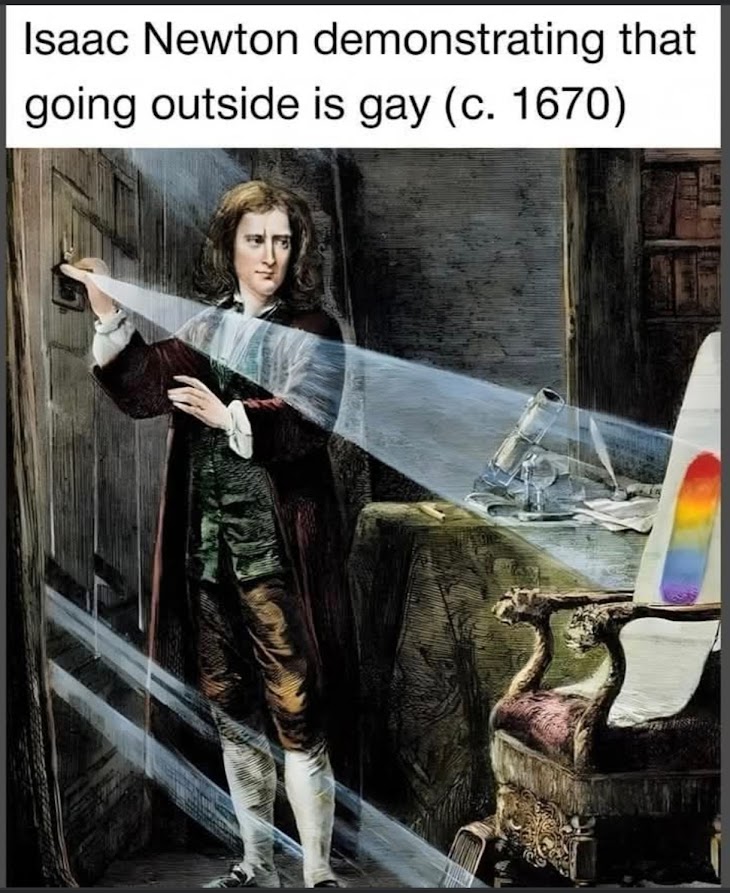
Figure 3. Example of a humor with content that may risk offending individuals with a homosexual preference.
If you are teaching subjects that encourage open-minded exploration of sensitive topics, your students may be receptive to humor that engages with these themes. In such cases, you might consider incorporating humor related to these subjects. However, if you are not directly addressing these topics in your curriculum, it is generally safer to avoid jokes involving sensitive content altogether. Unlike stand-up comedians, who are free to explore a wide range of topics for the sake of entertainment, educators have the responsibility to foster a respectful and inclusive learning environment. We must adhere to professional standards and conduct, which often requires us to be politically correct and as inclusive as possible.
There are at least two modes of humor incorporation in PHISTLE:
(a) Pre-topic humor incorporation
(b) Post-topic humor incorporation
(a) Pre-topic humor
Pre-topic humor refers to the presentation of humor to the audience before introducing the serious educational topic or content. This mode of incorporation has the potential advantage of “taking the audience by surprise,” which may enhance its effectiveness in generating amusement. Additionally, pretopic humor can create an “awakening effect” prior to the serious content, allowing students to become fully focused on what the teacher is about to teach, thereby facilitating more effective learning.
However, pre-topic incorporation must be approached with caution. It is essential to clearly distinguish the humor from the actual educational content; otherwise, students may become confused and misinterpret the educational material as part of the joke. To address this in PHISTLE, we have standardized this mode of incorporation to include a “Point of Return to Reality” (PRR) that signals the transition out of humor and helps students differentiate between the humor and the educational content.
A common PRR we use in PHISTLE is the cue “Just kidding! ”, which appears as a pop-up text on the PowerPoint slide at the end of a pre-topic humor segment. This immediately informs students that what they just heard was merely a joke, and the following material will be the serious educational content. Other examples of PRRs include phrases such as “Ok, that was just for fun…”, “Enough ridicules… time to get back to our topic…”, and “Ok, time to get back to reality now…” etc.
(b) Post-topic humor
Post-topic humor refers to the presentation of humor to the audience after the serious educational topic or content has been covered. This mode of incorporation works by “chasing” an educational topic with a joke, similar to the idea of following bitter medicine with something sweet. Compared to pre-topic humor, post-topic humor is relatively simpler to execute since it does not require a PRR.
In the case that the educational content and the corresponding content-related humor are presented together on the same PowerPoint slide, the determination of whether it is classified as pre-topic or post-topic humor will depend on which element is presented first.
Ziv (1988) found that incorporating three to four content-related humor elements per lecture is optimal. Using too little humor can diminish its impact, while excessive humor may distract students from the lesson.
In PHISTLE, we integrate at least one but no more than three instances of humor into every 50-minute lecture. Furthermore, we avoid incorporating humor on the first or last slide of a PowerPoint presentation. Students tend to be highly focused at the beginning of a lecture, so humor is unnecessary for maintaining their attention. Conversely, drawing attention to humor on the last slide is likely to have a minimal effect on their learning.
Chapter 3: Examples of Humor
Here, we will showcase some examples of humor that conform to the PHISTLE framework.
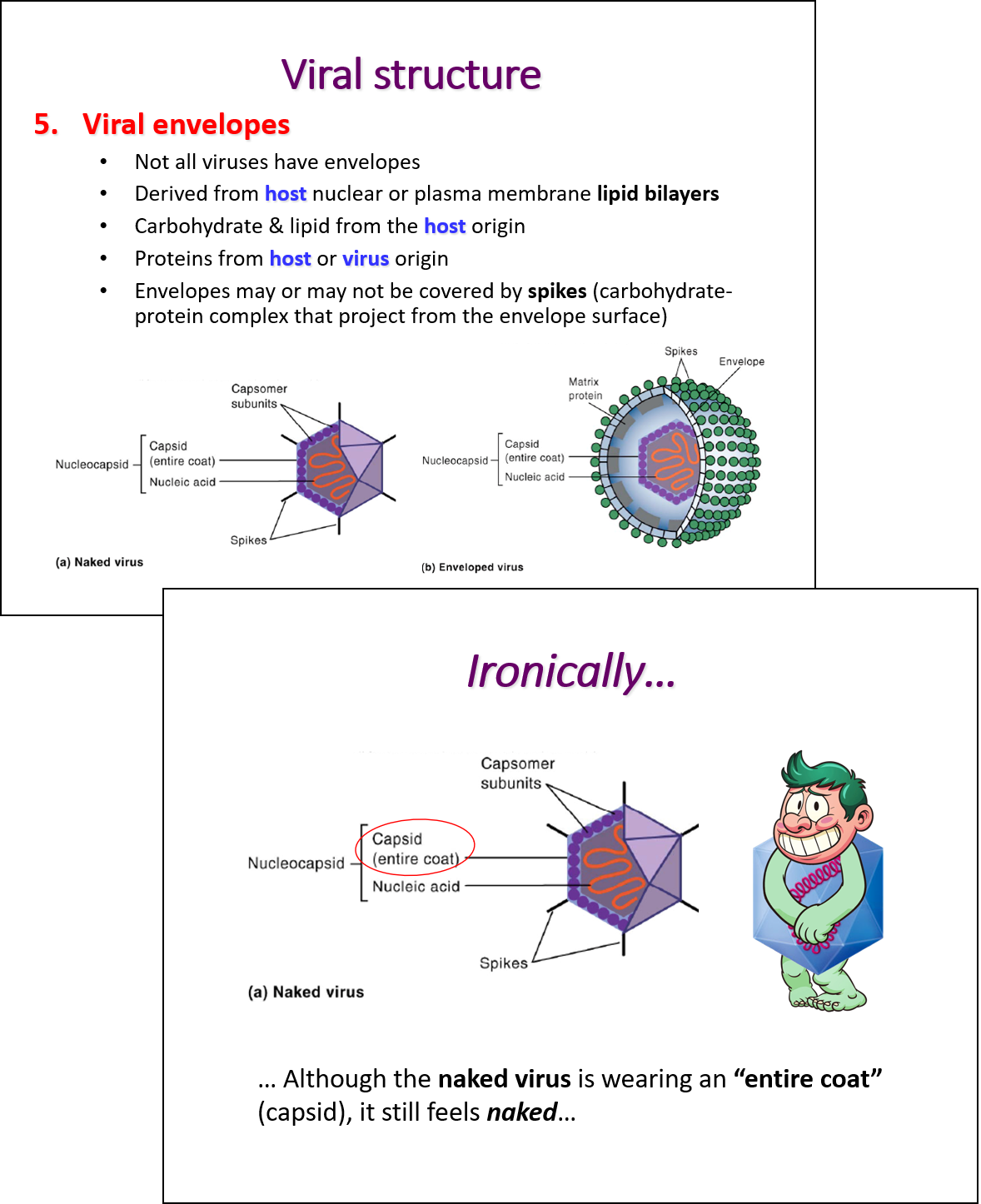
An example of a wordplay + absurdity type of humor in the life sciences discipline using the post-topic incorporation mode. Viral structure was first explained followed by an irony about the “naked virus” still feeling “naked” even though it had an “entire coat”.
An example of a wordplay + analogy type of humor in the life sciences discipline using the pre-topic incorporation mode. Counterstain using safranin was first jokingly explained as “counterstain using saffron” – a spice commonly used for gourmet cooking in Michelin 3-star restaurants. The joke was followed by an animation of the “just kidding” smiley logo which acted as the PRR. This was then followed by the true explanation of counterstain using safranin. Saffron and safranin share similar spelling and pronunciation, and are both red in color.

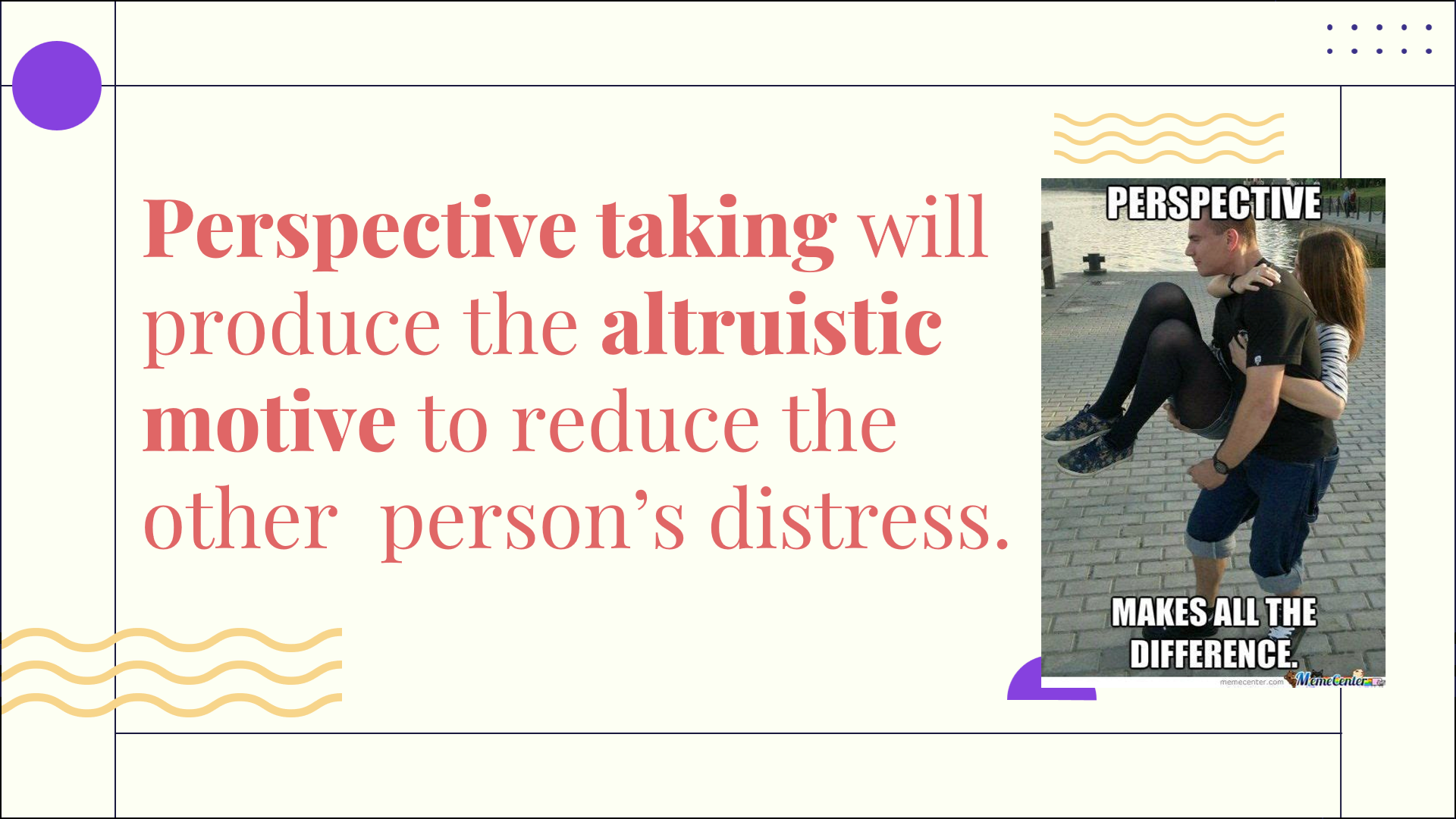
An example of an absurdity type of humor in an English course on films and stories using the post-topic incorporation mode. The explanation of perspective taking is followed by an internet meme displaying a young man carrying a young woman that also seems like the young woman carrying the young man. Even though the educational content and the humor are both on the same PowerPoint slide, the educational content will be explained first before the joke. Thus, this was regarded as a post-topic humor.
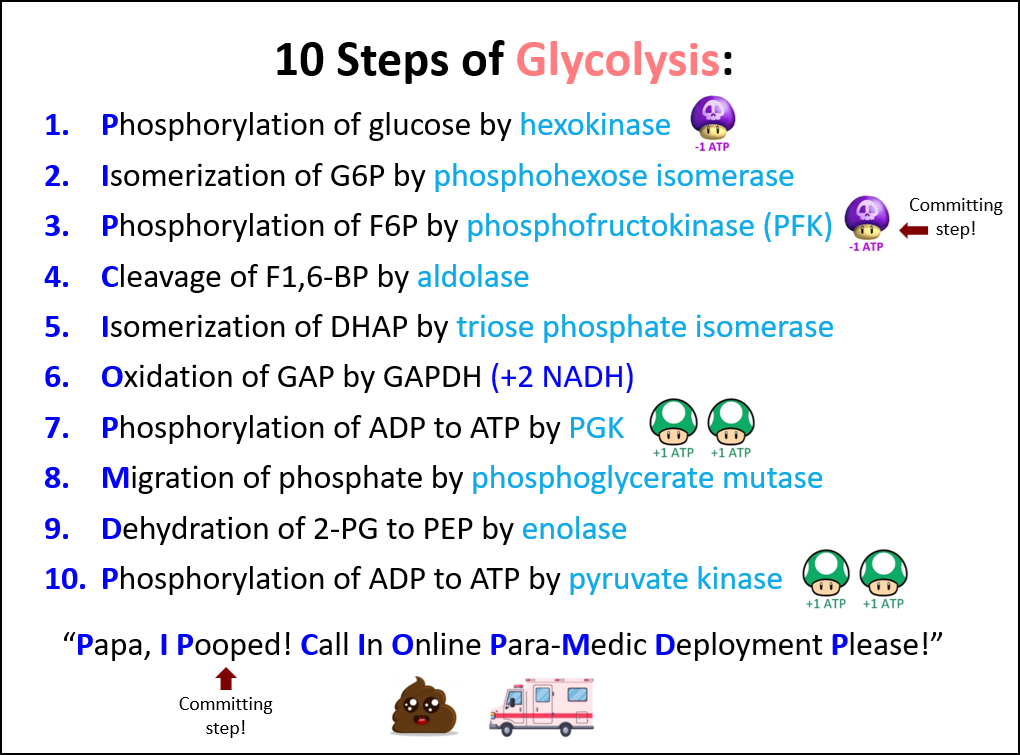
An example of a wordplay + analogy type of humor in the life sciences discipline using the post-topic incorporation mode. Here, the extremely information-heavy biochemistry topic of the 10 steps of glycolysis was first taught to the students. Then this slide was shown that utilizes the first letter of each step to create an acronym of “Papa, I Pooped! Call In Online Para-Medic Deployment Please!” In glycolysis, Step #3 is the committing step. In this acronym, “Pooped” is the committing step, because “once you pooped, you can’t go back!” Thus, once passed this point, the glucose molecule is committed to go through all 10 steps of glycolysis. This funny acronym provides students some extra motivation to memorize the 10 complex steps of glycolysis.
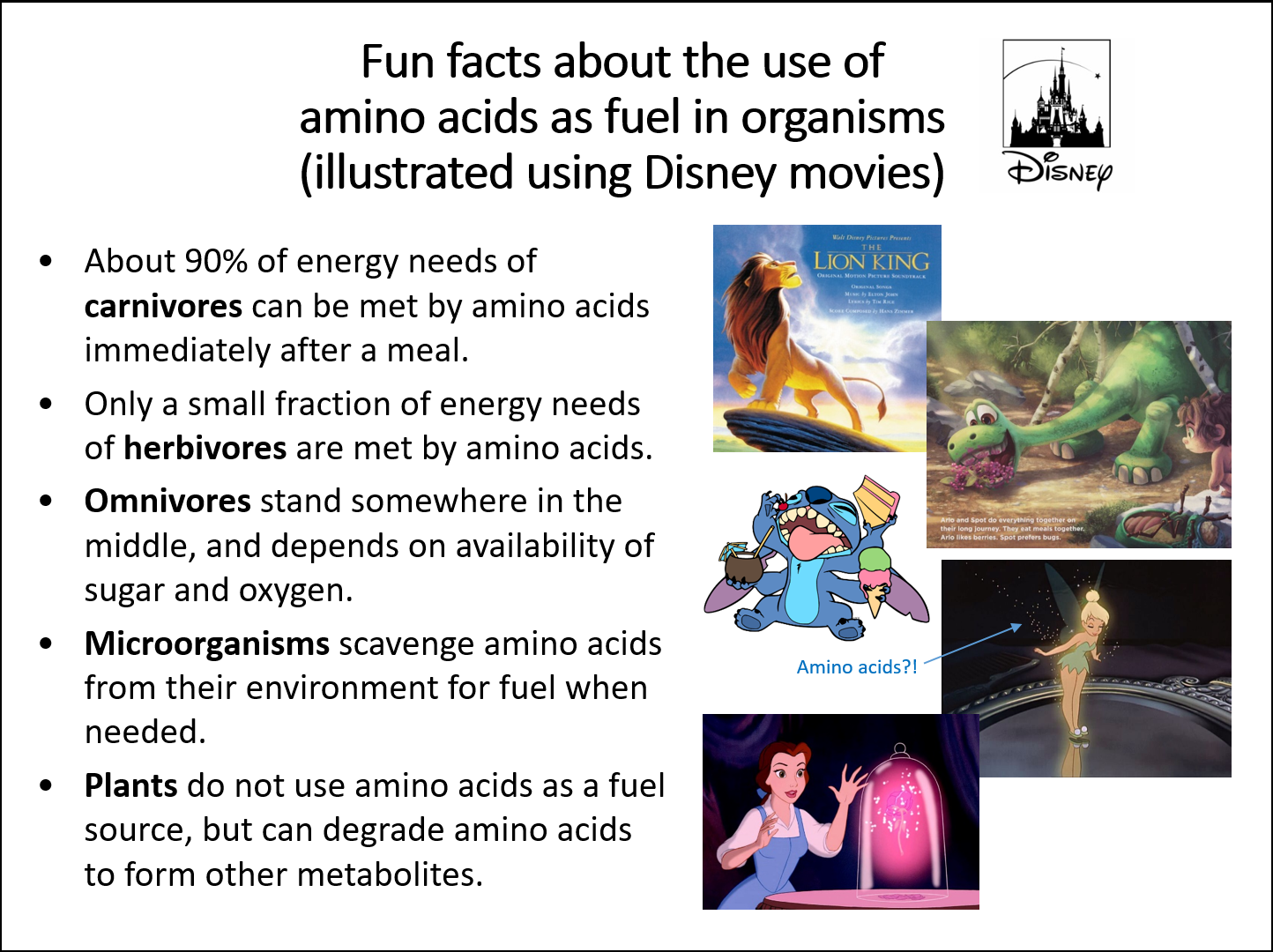
An example of an analogy type of humor in biochemistry using the post-topic incorporation mode. Each time a line of text appears on the left to explain the use of amino acids as fuel in organisms, it is then followed by a picture related to a character in a Disney movie. The character has some sort of features that resembles the text on the left. For instance, “Stitch” is a blue alien that is well-known for eating everything. Thus, it was matched with “omnivores”, while Tinkerbell is small and has glittery “fairy dust” around her, so she was matched with “microorganisms” which scavenge amino acids from their environment.
References
Appleby, D.C. (2018). Using humor in the college classroom: The pros and the cons. Psychology Teacher Network.
Banas, J.A., Dunbar, N., Rodriguez, D., & Liu, S. (2011). A review of humor in education settings: Four decades of research. Communication Education, 60(1), 115-144.
Bieg, S., & Dresel, M. (2018). Relevance of perceived teacher humor types for instruction and student learning. Social Psychology of Education, 21(4), 805–825. https://doi.org/10.1007/s11218-018-9428-z
Booth-Butterfield, S., & Booth-Butterfield, M. (1991). Individual differences in the communication of humorous message. Southern Communication Journal, 56, pp. 205-217.
Booth-Butterfield, M., & Wanzer, M.B. (2016). Humor Enactment in Learning Environments. Communication and Learning, edited by Paul L. Witt, Berlin, Boston: De Gruyter Mouton, pp. 211-240. https://doi.org/10.1515/9781501502446-010
Bryant, J., Comisky, P. W., Crane, J. S., & Zillmann, D. (1980). Relationship between college teachers’ use of humor in the classroom and students’ evaluations of their teachers. Journal of Educational Psychology, 72(4), 511–519. https://doi.org/10.1037/0022-0663.72.4.511
Buskist, W., Sikorski, J., Buckley, T., & Saville, B. K. (2002). Elements of master teaching. In S. F. Davis & W. Buskist (Eds.). The teaching of psychology: Essays in honor of Wilbert J. McKeachie and Charles L Brewer (pp. 27-39). Mahwah, New Jersey: Lawrence Erlbaum.
Fredricks, J. A., Blumenfeld, P. C., & Paris, A. H. (2004). School Engagement: Potential of the Concept, State of the Evidence. Review of Educational Research, 74, 59-109. https://doi.org/10.3102/00346543074001059
Garner, R.L. (2006). Humor in pedagogy: How ha-ha can lead to aha! College Teaching, 54(1), 177-180. Mahwah, New Jersey: Lawrence Erlbaum.
Martin, R. A. (2007). The psychology of humor: An integrative approach. Academic Press.
Ngai, C. S. B., Singh, R. G., Huang, Y., Ho, J. W. Y., Khong, M. L., Chan, E., Lau, T. C. K., Chan, H. Y.
E., Wong, W. T., Law, M. S. M., & Koon, A. C. (2025). Development of a systematic humor pedagogical framework to enhance student learning outcomes across different disciplines in Hong Kong. International Journal of Educational Research Open, 8, Article 100438. https://doi.org/10.1016/j.ijedro.2025.100438
Powell, J.P., & Andresen, L.W. (1985). Humor and teaching in higher education. Studies in Higher Education, 10(1), 79-90.
Segrist, D.J., & Hupp, S.D.A. (2015). This class is a joke! Humor as a pedagogical tool in the teaching of psychology. Society for the Teaching of Psychology’s Office of Teaching Resources. Retrieved from http://www.teachpsych.org/Resources/Documents/otrp/resources/segrist15.pdf.
Wandersee, J.H. (1982). Humor as a teaching strategy. The American Biology Teacher, Vol. 44, No.4.
Wanzer, M.B., Frymier, A.B., Wojtaszczyk, A.M., Smith, T. (2006). Appropriate and inappropriate uses of humor by teachers. Communication Education, 55, pp. 178-196. https://doi.org/10.1080/03634520600566132
Wanzer, M.B., Frymier, A.B., Irwin, J. (2010). An explanation of the relationship between instruction humor and student learning: Instructional humor processing theory. Communication Education, 59 (2010),
pp. 1-18. https://doi.org/10.1080/03634520903367238
White, L.A., & Lewis, D.J. (1990). Humor: a teaching strategy to promote learning. J Nurs Staff Dev. 6(2), 60-4.
Ziv, A. (1988). Teaching and learning with humor. The Journal of Experimental Education, 57, pp. 5-15. https://doi.org/10.1080/00220973.1988.10806492


